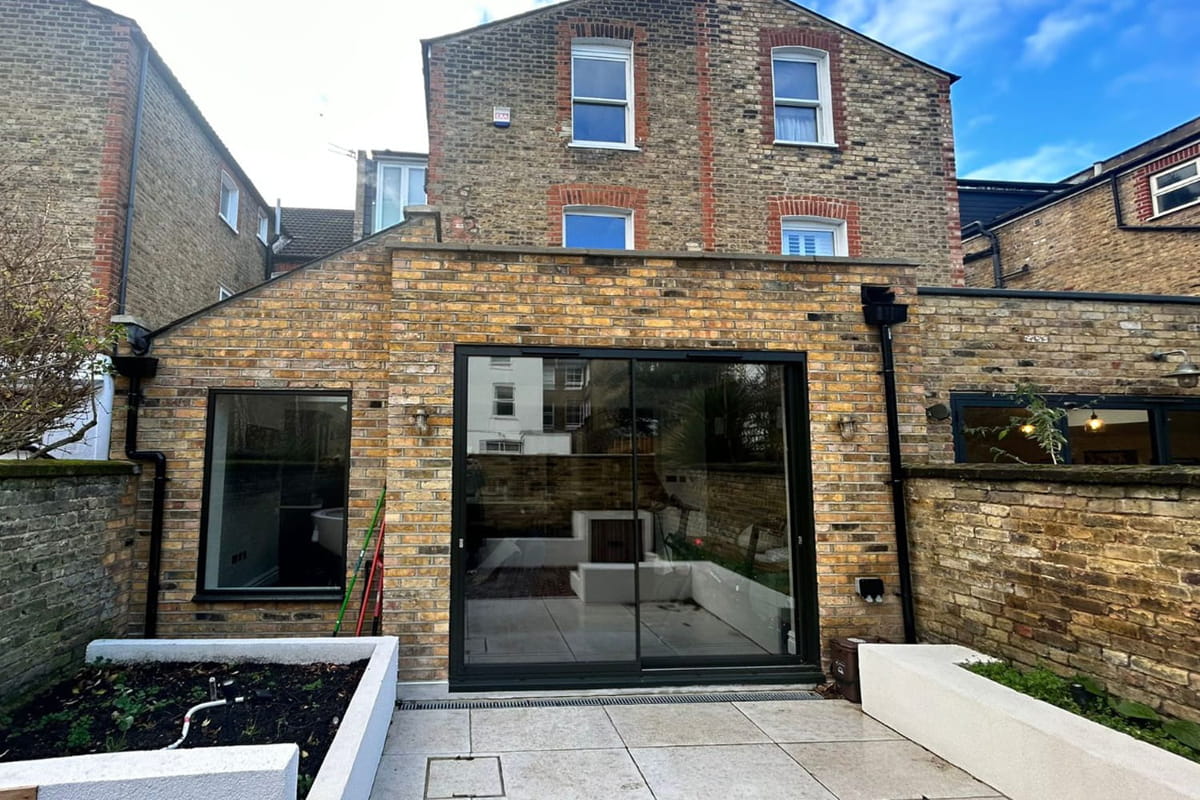
If you’re looking to increase the size of your home without moving, an extension can be one of the most effective investments you can make. Two of the most...
June 30, 2026

For many London homeowners, moving to a larger property is becoming increasingly expensive. As house prices, stamp duty, and moving costs continue to rise, more people are choosing to improve their existing homes instead. One of the most effective ways to create additional living space is through a loft conversion.
But is a loft conversion really worth the investment? In most cases, the answer is yes.
A loft conversion allows homeowners to transform unused roof space into valuable living accommodation without reducing garden space or significantly altering the property’s footprint.
Whether you need an additional bedroom, home office, playroom, guest suite, or master bedroom with an en-suite, a loft conversion can provide the extra space your family needs while making better use of your existing property.
One of the biggest advantages of a loft conversion is the amount of additional space it creates.
Many properties have substantial roof voids that are rarely used for anything more than storage. Converting this area can add a completely new floor to your home, often providing enough room for:
The added space can dramatically improve the functionality of your home without the disruption and expense of moving.
A well-designed loft conversion can significantly increase the value of a property.
Additional bedrooms are particularly attractive to buyers, especially in London where space is at a premium. Creating an extra bedroom and bathroom can make your home more appealing to families and professionals looking for larger accommodation.
While the exact increase will vary depending on location, property type, and quality of workmanship, loft conversions are widely regarded as one of the most effective home improvements for adding value.
When comparing the costs of moving house with extending or converting your existing property, a loft conversion is often the more cost-effective option.
Moving expenses can include:
By investing in your current property instead, you can gain the additional space you need while avoiding many of these costs.
Many loft conversions can be completed under Permitted Development Rights, meaning full planning permission may not be necessary.
However, every property is different, and factors such as conservation areas, listed building status, and the size of the proposed conversion can affect planning requirements. Professional advice should always be sought before commencing a project.
Even when planning permission is not required, Building Regulations approval will usually be necessary.
There are several types of loft conversion available, depending on the structure of your property and your requirements.
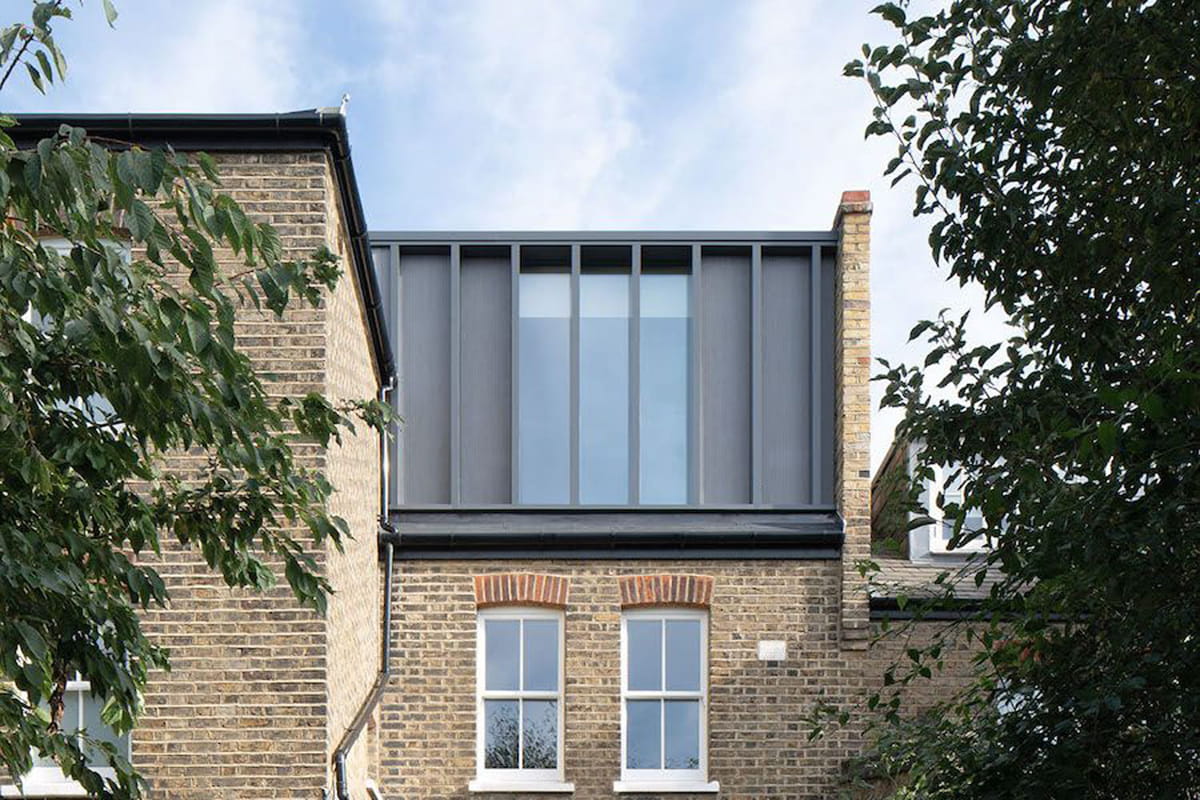
One of the most popular options, a dormer extends vertically from the roof, creating additional headroom and floor space.
Suitable for semi-detached and end-of-terrace properties, this conversion extends the sloping side roof to create a vertical wall and increase internal space.
A larger and more extensive conversion that maximises available space by significantly altering the roof structure.
The least intrusive option, using roof windows installed within the existing roof slope while maintaining the original roof profile.
Not every loft is suitable for conversion. Several factors will influence feasibility, including:
A professional survey can quickly determine whether your loft is suitable and identify the most appropriate conversion option.
While financial return is important, many homeowners choose loft conversions for lifestyle reasons.
Benefits include:
For many families, the ability to remain in a neighbourhood they love while gaining extra living space is one of the greatest advantages.
A loft conversion is often one of the smartest investments a London homeowner can make. It provides valuable additional living space, can increase property value, and is frequently more affordable than moving to a larger home.
When properly designed and constructed, a loft conversion can transform how you use your property while delivering long-term benefits for both your lifestyle and your home’s market value.
If you are considering a loft conversion, obtaining professional advice early in the process will help ensure the project is feasible, compliant, and tailored to your family’s needs.
If you’re looking to increase the size of your home without moving, an extension can be one of the most effective investments you can make. Two of the most...
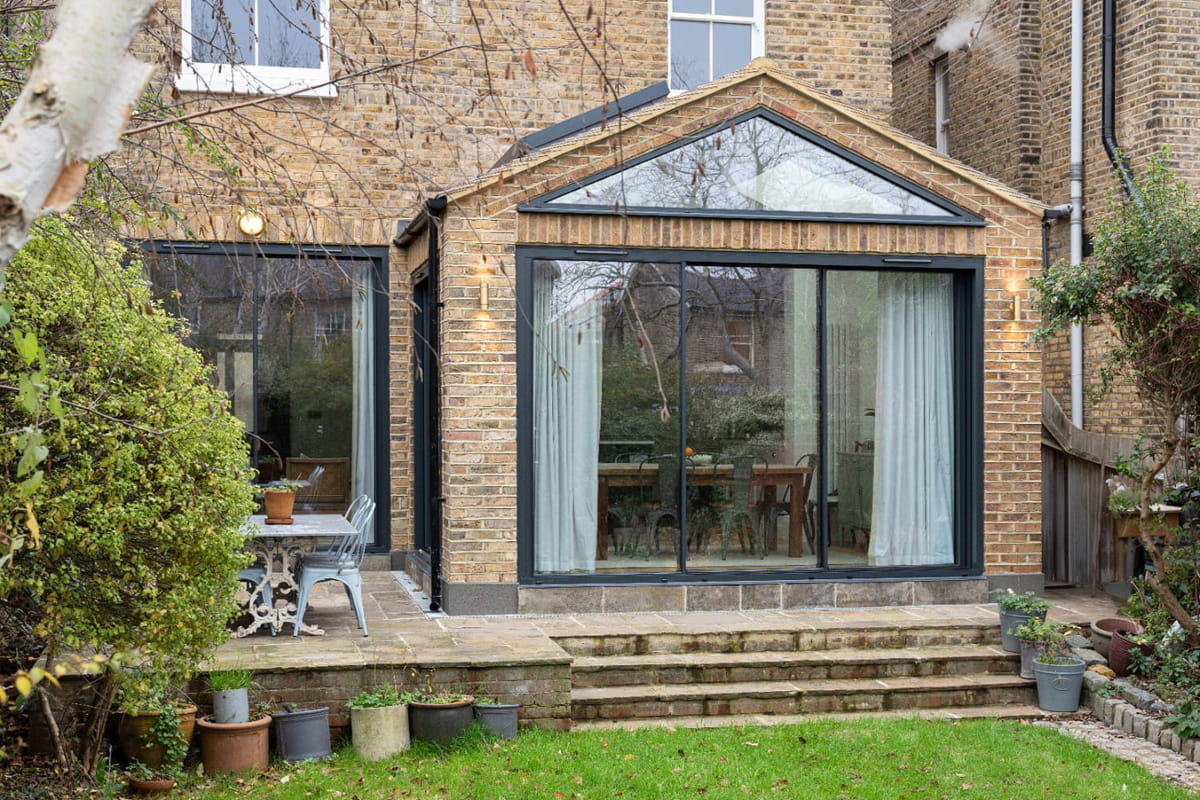
One of the first questions homeowners ask when planning an extension is: Do I need planning permission? The answer depends on the size, location, and design of your proposed...