One of the first questions homeowners ask when planning an extension is: Do I need planning permission? The answer depends on the size, location, and design of your proposed extension, as well as the type of property you own.
Understanding the rules before starting your project can save time, money, and potential delays during construction.
Planning permission is approval from your local authority to carry out certain types of building work. It helps ensure that developments are suitable for the surrounding area and do not negatively affect neighbouring properties.
While many house extensions require planning permission, some can be built under Permitted Development Rights, which allow homeowners to make certain improvements without submitting a full planning application.
Many rear and side extensions can be constructed under Permitted Development Rights, provided they meet specific criteria. These rules generally include restrictions on:
- The overall size and height of the extension
- How far the extension projects from the existing house
- The materials used
- The percentage of land covered by buildings
- The property’s location and planning status
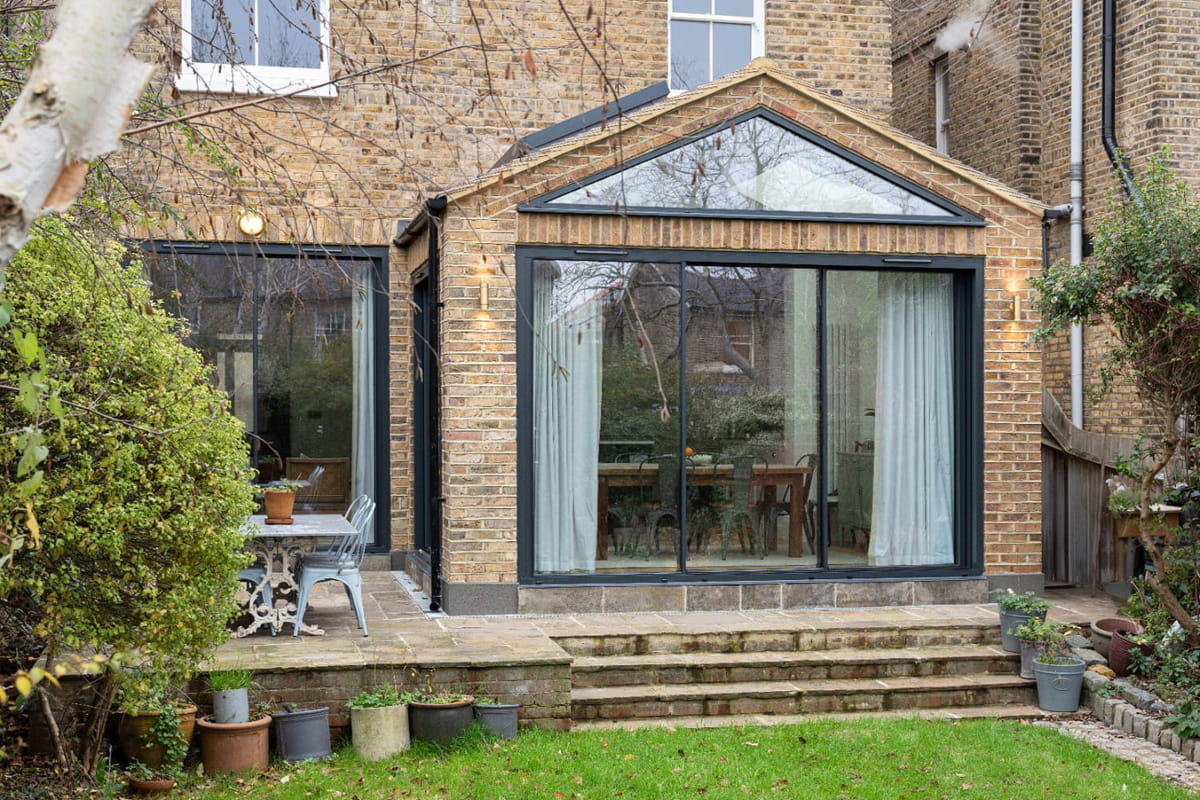
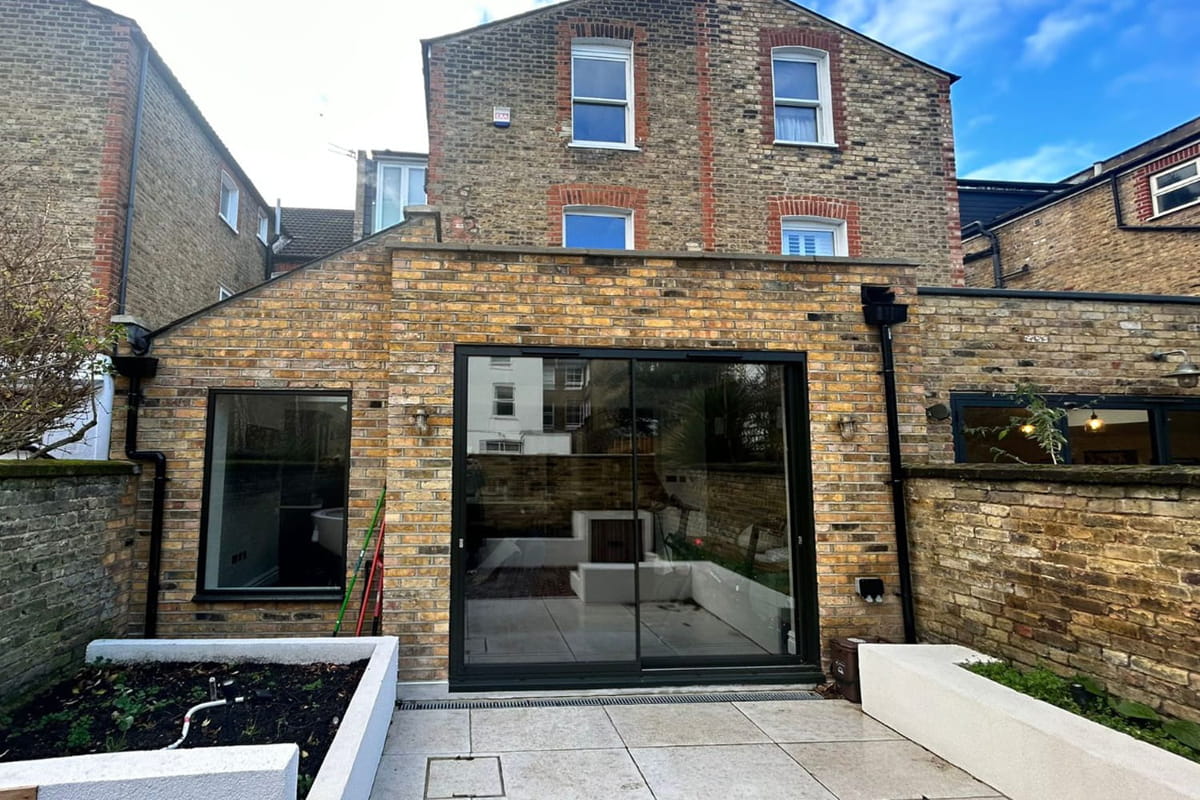
For example, a single-storey rear extension may not require planning permission if it remains within permitted size limits and complies with all relevant regulations.
However, every property is different, and eligibility should always be confirmed before construction begins.
You will generally need planning permission if:
- The extension exceeds Permitted Development limits
- Your property is located in a conservation area
- The property is a listed building
- The design significantly alters the appearance of the house
- The extension is unusually large or impacts neighbouring properties
- Previous extensions have already used up Permitted Development allowances
In these cases, a formal planning application must be submitted and approved before work can commence.
Even if planning permission is not required, most extensions must comply with Building Regulations.
Building Regulations cover important aspects of construction, including:
- Structural stability
- Fire safety
- Insulation and energy efficiency
- Ventilation
- Drainage
- Electrical installations
Approval from Building Control is usually required to ensure the work meets current standards and regulations.
In addition to planning permission and Building Regulations, some projects may require:
Party Wall Agreements
If your extension affects a shared wall or is being built close to a neighbouring property, you may need a Party Wall Agreement before work starts.
Thames Water Build Over Agreements
If public sewers run beneath or close to the proposed extension, approval may be required before construction can proceed.
Freeholder Consent
Homeowners with leasehold properties may need permission from the freeholder before carrying out alterations.
Planning rules can be complex and vary depending on the property and location. Seeking professional advice early in the process helps avoid costly mistakes and ensures your project progresses smoothly.
An experienced design and build contractor can assess your property, advise on planning requirements, prepare drawings, and manage the approval process on your behalf.
Many house extensions can be built without planning permission under Permitted Development Rights, but this should never be assumed. Every property has its own restrictions, and obtaining the correct approvals before starting work is essential.
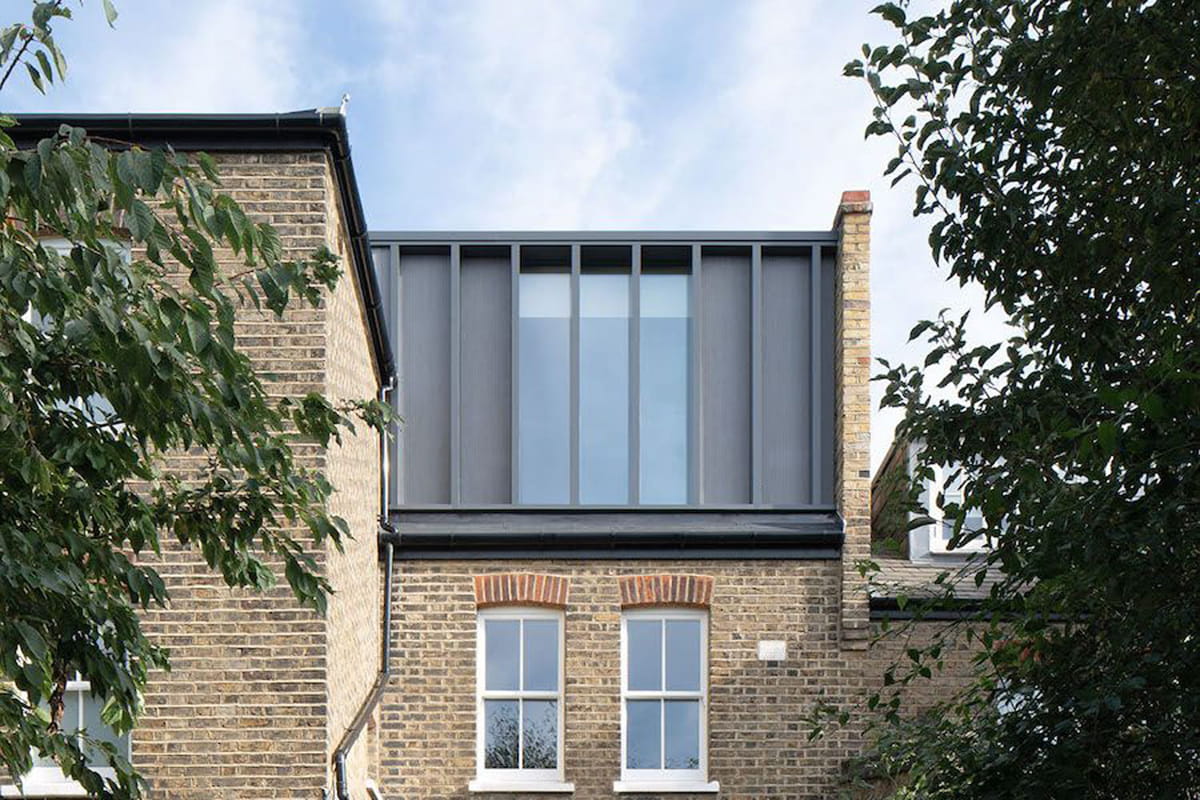
Whether you’re considering a rear extension, side return extension, loft conversion, or a full home renovation, obtaining expert guidance at the planning stage will help ensure a successful project from start to finish.